Sunday, February 27, 2022

National Pancake Day


Pancake Day is celebrated on March 1 this year (Tuesday). A thin flat cake prepared with a batter made with eggs, milk flour, and oil or butter, the pancake and its variations are found in almost every culture.

this batter breakfast staple dates back more than 30,000 years and may be the oldest breakfast food.  With toppings, you can make it sweet or savoury.


Sunday, February 06, 2022

Only a matter of time before we have avian influenza here again

 It will be only a matter of time before we have another round of Avian Influenza in Australia once residents return home from overseas and tourists are allowed in. Waves of avian influenza in China,  other Asian countries,the US, the UK and Europe have a greater risk of spreading to humans because of a high number of variants, the World Organisation for Animal Health (OIE) has said. The Director General Monique Eliot announced that “the situation is more difficult and more risky because we see more variants emerge, which make them harder to follow."

"Eventually the risk is that it mutates or that it mixes with a human flu virus that can be transmitted between humans then suddenly it takes on a new dimension, "she added.


More than 15 countries have current infections.The last avian influenza outbreak here, in 2020 disrupted the industry because of the widespread practice of moving eggs and staff between corporate egg businesses. There were nseven previous outbreaks between 1076 and 1997. As we have advised previously Factory farms have been incubating the next outbreak of Avian Influenza in this country since Ministers approved an intensive stocking density of 10,000 hens per hectare. They put the entire Australian egg industry at risk. Such high densities allow any disease outbreak to spread rapidly. One gram of droppings from a chicken infected with bird flu contains enough viruses to infect the entire flock.It also promotes the spread of other problems, such as salmonella.

Of the current 1,568 human infections with avian influenza A(H7N9), 33 have reported mutations in a gene indicating a change to high pathogenicity in poultry. These 33 cases were from Taiwan, China and  Mongolia.


Thursday, January 27, 2022

welcome rain at the farm


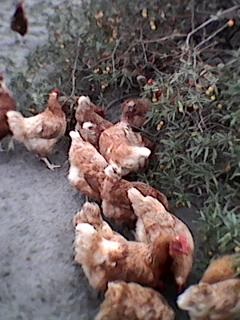
With 10mm of rain overnight and so far today, the farm is looking good and the chickens, sheep and other animals are grazing happily. The sheep have done well and a few went off to market this week. Egg production is excellent although it's never enough to keep up with demand.    we only have enough eggs to supply regular customers which means we have to say "No" to people who rock up wanting eggs for themselves, their shop or restaurant.


Sunday, January 23, 2022

Australia Day egg specials

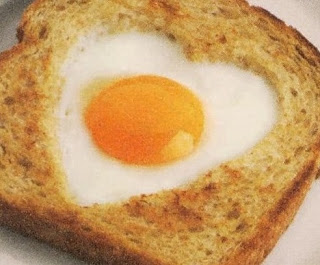
 While lamb is regarded as traditional fare on Australia Day, eggs can also feature. How about starting the day with pancakes or muffins!


Saturday, January 22, 2022

Pancakes for Shrove Tuesday

 Pancakes are great for breakfast anytime. Just about anything can be added to vary the taste. Lemon and honey or maple syrup is an option. Berries and cream is another With Shrove Tuesday approaching, here’s a simple recipe:

Ingredients

1 cup flour

  • 2 tablespoons white sugar (leave out for savoury pancakes)

  • 1 teaspoon salt

  • 2 eggs beaten

  • 1 cup milk

  • 2 tablespoons vegetable oil (or a knob of butter


Tuesday, January 11, 2022

Weed could be an important protein source


A scientist says that an invasive weed could be used as a protein source for animal or human food.


gorse bushes that have invaded many landscapes could produce enough protein to feed millions of people, according to the leader of a Scottish government research programme.

The suggestion by Prof Wendy Russell, at the University of Aberdeen, comes from research on the protein content of invasive plants that are currently sprayed with toxic herbicides or burned to keep them under control.

Gorse contains 17% protein she said “Gorse was fed to cattle at times when crops failed in the past, so we think protein from these plants could be used as animal food. If protein isolates are produced in the correct way, so to be safe, they could be considered as human food in the future.”

“The whole point about gorse is it is actively being removed from marginal lands – it’s something we can gain protein from at no extra cost,” she said. Gorse is widespread trhroughout Australia.

Thursday, December 30, 2021

More than 2million chickens in Australian backyards

 Recent media interest in keeping backyard poultry, has prompted strong growth in the numbers kept as backyard flocks. With estimates of up to 2.2 million backyard hens, Australian Eggs has taken steps to remind consumers to be aware of the animal and human health risks associated with the practice and is encouraging biosecurity education.


Australian Eggs’ Managing Director, Rowan McMonnies, said backyard poultry keeping presents risks for animal and human health. Backyard owners need to understand the responsibilities. Mr McMonnies said “People need to realise that once you’re a suburban ‘egg farmer’ there are important biosecurity risks to protect against.

“Diseases spread quickly and widely and potential transfer from backyard to commercial flocks can put food security for the broader community at risk.

“It’s understandable that people think backyard farming is clean and natural but these set-ups can pose significant problems because of how accessible they are to wild animals.

Ten things backyard poultry owners may practice to reduce biosecurity risks:

  1. Always wash hands after handling chickens or eggs.

  2. Keep chickens away from ponds and rivers as water birds are known carriers of avian influenza.

  3. Ensure that wild birds cannot access the chickens’ feed or water. Diseases can be easily transmitted to poultry by contamination of feed or water.

  4. Keep other animals like domestic geese or turkeys, and even cats and dogs, well away as they can bring disease to chickens.

  5. Use safe water sources such as town water, good quality bore water or sanitised surface water for chickens to drink.

  6. Provide a secure rodent-proof enclosure for poultry as rats and mice are known carriers of disease.

  7. Any kitchen scraps fed to chickens should be fresh. When spoiled, any animal products in scraps may carry dangerous bacteria.

  8. Check hens regularly for anything unusual such as coughing, diarrhoea or swollen eyes.

  9. If a chicken is showing signs of sickness, isolate the sick animal from others and seek veterinary advice.

  10. Call Animal Health Australia’s 24-hour emergency animal disease watch hotline on 1800 675 888 if there are unusual symptoms or signs of serious disease.

Legitimate freerange farmers meet all handling and labelling requirements which increases production costs. It has always been seen as unfair that backyard producers who sell eggs are not required to meet the same regulatory imposts. Phil Westwood of Freeranger Eggs said “It’s great for people to produce eggs for their own consumption, but if they sell the eggs, they should meet the same food safety and packaging laws imposed on the rest of us.”

Wednesday, December 29, 2021

Farmers hope to keep Avian influenza out of Australia

 more than half a million egg-laying chickens at Moshav Margaliot, a communal farm in Israel are being culled to contain an outbreak of avian influenza and minimise the risk to humans. The farm provides 7% of all eggs consumed in Israel. Recent outbreaks have occurred in various countries and it is hoped that the virus does reach Australia this time.


The last avian influenza outbreak here disrupted the industry because of the widespread practice of moving eggs and staff between corporate properties.

Sunday, December 26, 2021

'Freerange' sales still growing

 Consumer demand for freerange eggs has been increasing all over the world and Australia is no exception.

Shoppers in this country bought 525 million dozen eggs in 1920/21 and for the first time more than 50% were labelled as freerange. Sounds great, but most people buy eggs in supermarkets which only stock eggs from intensive production systems.

The Australian Competition and Consumer Commission made a great attempt to stamp out the practice of egg substitution by obtaining convictions in the Federal Court for deceptive practices. Several penalties for $300,000 were imposed and one totalled $1,000,000 including costs. However, profits are so large that all those operators are still in business. The reality is that by doing nothing but simply adding the words ‘free range’ to their labels can boost each company's net profit by around $2.5 million a year, So. For them, paying occasional fines is just another cost of doing business.In its various judgments, the Federal Court found that to be clasasified as freerange, hens must be allowed to move freely on an open range and not confined to barns.

Wednesday, December 22, 2021

Pullet eggs make great Hors d'ouvres

 Pullet eggs make excellent hors d’ouvres at this time of year (or any other time for that matter) Just one example:devilled eggs make grest snacks.Pulleteggs are the small eggs from young hens(pullets) when they start to lay.


Monday, December 20, 2021

Yuletide greetings to all friends and customers


Hopefully the Government will leave us all alone over the festive season and not insist on locking us up again!

Saturday, December 18, 2021

Tool for tracing the source of eggs

 Food safety is important for any food producer and an outbreak of Salmonella Enteritidis (SE) at egg laying facilities in 2019 presented a new challenge to the industry. Australian Eggs says that to improve the industry, producers need to know where eggs are moving to and from so that in the event of an outbreak, farms can protect themselves and the rest of the industry. 


Australian Eggs has developed a traceability tool – Egg Trace -to record egg movements and reduce the scale of any disease outbreaks. Egg Trace has been directed towards helping small to medium farms that may not already have effective traceability or a user-friendly method to track eggs on and from farm. A much better and far simpler solution would be to not transfer eggs between operators, But, of course that won’t happen because big operations haveto buy-in eggs from all over the country to meet contracts with stupidmarkets.

Monday, December 13, 2021

High protein feed needed for good eggs

 To maintain animal health and good lay rates, laying hens need a minimum protein content in their feed of about 17%.Cereal grains like wheat, barley, sorghum and maize are the main energy sources used by Australian poultry farmers. Protein and its constituent amino acids are mainly provided by vegetable sources such as soybean, canola, peas, other legumes and sunflowers, but animal by products, are often used. Some vegetable protein sources may be unbalanced in amino acids, but soybean is regarded as the best. Animal by-products like meat meal, meat-and-bone meal, blood meal, fish meal and feather meal are higher in protein content and their amino acids are more balanced than those of plant sources. Which is why they are included in poultry diets by virtually all intensive egg producers. A good reason not to buy eggs in stupidmarkets.fresh pumpkin seeds are amongst the best high-protein feeds available for a flock(30%).


Insect meals could potentially replace between 25 and 100% of the soymeal or fishmeal in animal feeds, according to a study in the US. At Freeranger Eggs, no animal products or coloring additives are in the feed we give our hens. They all have unrestricted access to pasture in addition to supplementary feed from a certified feed mill. Top quality eggs will only be laid by hens provided with top quality feed and running on pasture. If you have backyard hens, don't feed pellets if you want good eggs.They are bulked up with fillers and binders in the pelleting process - and colourings are nearly always added, which cause problems for some consumers.

Sunday, December 12, 2021

Strong egg production and sales

 Stable weather and strong demand are perfect conditions for egg production. When chickens enjoy warm, sunny days with good pasture, they happily lay plenty of eggs. Coupled with what is hopefully a return to sanity by our State Government in ending lockdowns and permitting freedom to travel, we are once again being allowed to earn a living.Good layers such as Isa Browns lay an egg a day for a total of around 300 eggs a year. we still have a few hens available as backyard layers contact us to arrange a time for you to pick them up.


Saturday, December 11, 2021

Fox numbers increasing

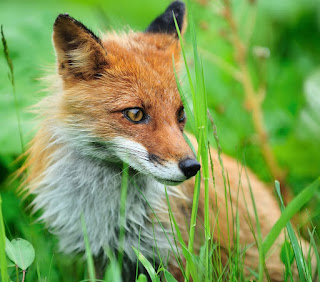
 Foxes seem to be increasing in numbers and are now a constant threat on the farm, despite the protection of our Maremma guardian dogs.

in rural areas of Victoria, there are said to be between 1 and 4 foxes per square kilometre. I think we have more than our fair share here in West Gippsland.

Chickens make a tasty meal, if they can catch them. But foxes also dine on a variety of native wildlife including many species of birds, bandicoots, growling grass frogs and swamp skinks. Hopefully we can get some shooters in to reduce predator numbers.


Thursday, December 09, 2021

Good cholesterol

 An American website has published an article on the benefits of eating eggs. Here is part of the piece published by Mashed.com. 

An egg contains almost every nutrient needed by humans and can be considered a superfood. Although eggs are high in cholesterol, they can raise levels of HDL(high-density lipoprotein) which is ”good" cholesterol. This has been found to decrease the chance of stroke and heart disease in some people. The amount of nutrients in an egg dramatically depends on the diet and environment of the hens producing them.

supermarket eggs usually come from caged chickens fed a vegetarian diet. Because this is not their natural diet, it results in a less nutritious egg.

eggs of free-range hens that are allowed to forage for their food have much higher amounts of omega-3 fatty acids, as well as more vitamins and nutrients
Another benefit of eggs from freerange chickens is that they are less likely to be contaminated with Salmonella.  Salmonella infections are more likely to occur in chickens that are subjected to conditions of industrial egg farms. Free-range chickens are less likely to be infected by a salmonella outbreak because they aren't packed into cages or sheds with other hens where the bacteria can spread more easily. Consumers are increasingly more concerned with where their food comes from, and they prefer buying eggs laid by happier, healthier chickens.


Tuesday, December 07, 2021

French go back to buying cage eggs

 France has a big surplus of freerange eggs as producers have changed to non-cage production systems but shoppers have gone back to buying cheaper battery eggs.

The London Times reports that sales of organic and free-range eggs have dropped more than 3 per cent this year in France, Europe’s biggest egg producer. Since lockdown restrictions were lifted, people have been less vigilant about the type they are eating in processed food and in canteens, bistros and sandwich bars.

Wednesday, November 24, 2021

Extremist animal rights terrorist may become a Senator


Disgraced animal activist Chris Delforce is being endorsed as a senate candidate by the Animal Justice Party. He launched the Aussie Farms website which defamed many farmers (including freerange egg producers) and published their contact details. The site included an interactive map which purported to show factory farms, slaughterhouses and other 'animal exploitation' facilities across Australia.

Even fellow activist vegetarians and vegans are appalled by the extreme antics of Chris Delforce.

An article by ‘Vegan Police’ paints a poor picture of the man. It says:

“Whilst Mr Delforce is gleefully enjoying his 15 minutes of fame thanks to an eager media, it appears that he is paying very little attention to the damage that his comments and websites are doing to ‘the movement’.

Unfortunately, the more that Mr Delforce and his Aussie Farms website(s) appear in agricultural media, the more that animal advocates are being demonised, and the harder things will become in the future.

Mr Delforce is another one of a growing number of people who have labelled themselves as ‘Animal Rights Activists’, andhave paid very little thought to what that actually means. Maybe ‘animal rights’ is the new black.

In a deleted facebook discussion the question was asked on the Aussie Farms fan page how they envisioned these ‘rights’ being granted. Would it be through the granting of a type of personhood or via legislated rights, and would it apply to all animals, or only those used for food?

Their response was we’re more interested in achieving a paradigm shift (as discussed in the interview) in the way animals are viewed, so that people view them not as stock or property, but as living, sentient animals who have a desire and a right to not be abused, exploited or killed. Laws prohibiting the killing of animals can only come as a result of this.

This appears to be contradictory to the footage and images that are on the Aussie Farms website. All I have been able to find are images and footage of other animals as they are used in the animal agricultural system. There are no scientific reports of the sentience of other animals, evidence of their desire to live or anything for that matter that would lead the viewer/reader to believe that they are anything else than property.

If it is Mr Delforce and Aussie Farms’ true intent to ‘convert’ people to veganism, they appear to have gone about it the wrong way.

Gruesome footage doesn’t get people to change their minds or create a paradigm shift. If it did, then the government wouldn’t have resorted to plain paper packaging for cigarettes after the ‘shocking’ photos, and we would be seeing ‘shocking’ images on TV in an attempt to improve the road toll.

If Aussie Farms has the network of supporters that Mr Delforce claims, then I am sure there would have been at least one person who would have been able to do some research into alternative uses for farm land.

We need to be mindful that as it is ‘us’ who are instigating the change, ‘we’ need to be able to present alternatives. Not stomping our feet on the ground like a child throwing a tantrum.

Maybe they could contactHarold Brown at Farm Kind and have a chat to him before they talk to the media again.

Honestly, I am surprised that no one advised Mr Delforce to have his answers prepared BEFORE the media contacted him.”Vegan Police


Tuesday, November 23, 2021

Two thirds of eggs in UK now freerange


Free range now officially accounts for nearly two thirds of egg production in the UK, according to the latest figures released by the Department of Environmentr, Food and Rural Affairs (Defra).

Eggs described as Free range eggs made up 62 percent of all production to go through packing stations between July and September 2021.

This is up from 58 percent in the second quarter of this year and 55 percent in the third quarter of 2020.

Enriched cage production has fallen from 39 percent to 33 percent. All major retailers in the UK have committed to abandoning cage production of eggs, by 2025.

Monday, November 22, 2021

Food regulator allowing more GM food


Friends of the Earth in Melbourne has alerted consumers that Food Standards Australia New Zealand (FSANZ) is proposing changes to food regulations. It will allow companies to commercialise genetically modified, animals, plants and microbes, allowing a wide range of new genetically modified (GM) foods into our food chain -with no regulation or labelling. This could pose potential health risks and would seriously undermine our right to know how our food is produced.

These would include meat and milk from some genetically modified animals and substances like vanilla and stevia produced by genetically modified microbes in factory vats.

The companies that gave us Agent Orange, paraquat, RoundUp and other toxins will be allowed to self-assess the safety and hazards of these new foods and ingredients, and to sell them without regulation or labelling.